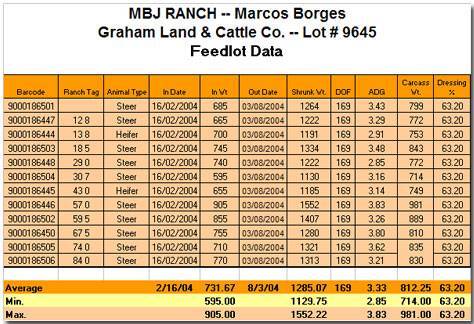
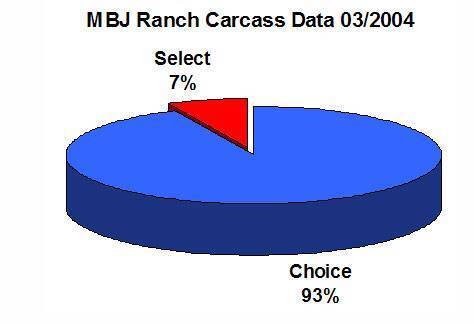
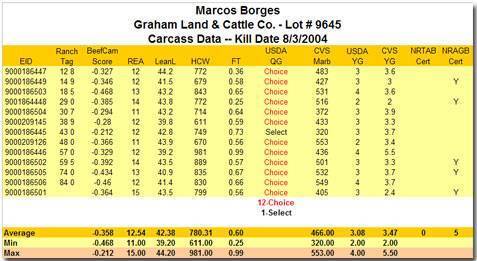
CARCASS DATA
RED BRANGUS, THE MOST PROFITABLE CATTLE BREED
The Red Brangus breed is the stabilization of the best genetic traits of both the Brahman and the Red Angus, in an optimal combination to improve genetics, and commercially, it benefits of the whole production chain.
FOUR REASONS FOR BREEDING RED BRANGUS
- It is the only compound breed that combines in exact measure the indisputable ruggedness of the Brahman and the world-renowned productivity and beef quality of the Red Angus.
- It allows us to capitalize on the benefits of heterosis and the genetic contributions of the Brahman and Red Angus breeds (complementarity), without the complications of handling, lack of uniformity and competitiveness, and the high costs of the classical crossbreeding systems.
- The breed adapts quickly, entering into complete harmony with the environment in which it is put, whether as a purebred or as a cross in commercial herds.
- The Red Brangus breed was formed for the purpose of creating a hybrid animal that could resist the subtropical and tropical climates, based on experience and objective studies, taking into account productivity, beef quality, marketing versatility and profitability for the cattle industry.
RED BRANGUS – THE STRONG BREED FOR THE CATTLE INDUSTRY
The present cattle industry consists of: primary producers provide beef quality through genetics; commercial cattle producers through handling and health programs; the packing plants by using good practices in beef processing; nevertheless, the last link in this long and complex chain is the consumer.
The consumer is who determines the profitability of the three previous sectors, by accepting the product offered and the price proposed. This is why the beef industry slowly stopped being a production guided business, and became an industry oriented by, for and geared towards the consumer, encouraging cattlemen to become more efficient. From the very beginning, the careful development of the Red Brangus took these considerations into account and maintained the objective of providing functional genetics, which led to high quality beef cuts in all types of climates. This breed could also be used to cross with lower quality cattle and less well-muscled cattle so as to increase the productivity of any herd of lesser quality, as the Red Brangus is a breed with extraordinary qualities that provides authentic quality to all the various beef cuts.

Because of the aforementioned, the Red Brangus is preferred in the commercial sector as it has better handling options during processing at the packing plants oriented towards the end user.
RED BRANGUS – THE STRONG BREED FOR THE CATTLE INDUSTRY
The present cattle industry consists of: primary producers provide beef quality through genetics; commercial cattle producers through handling and health programs; the packing plants by using good practices in beef processing; nevertheless, the last link in this long and complex chain is the consumer.
The consumer is who determines the profitability of the three previous sectors, by accepting the product offered and the price proposed. This is why the beef industry slowly stopped being a production guided business, and became an industry oriented by, for and geared towards the consumer, encouraging cattlemen to become more efficient. From the very beginning, the careful development of the Red Brangus took these considerations into account and maintained the objective of providing functional genetics, which led to high quality beef cuts in all types of climates. This breed could also be used to cross with lower quality cattle and less well-muscled cattle so as to increase the productivity of any herd of lesser quality, as the Red Brangus is a breed with extraordinary qualities that provides authentic quality to all the various beef cuts.
Because of the aforementioned, the Red Brangus is preferred in the commercial sector as it has better handling options during processing at the packing plants oriented towards the end user.
ITS PARENTS: THE BEST OF TWO BREEDS – 3/8 Brahman + 5/8 Red Angus
BRAHMAN
- Ruggedness
- Heat tolerance and disease resistance
- Calving ease
- Maternal ability
- Productive longevity
RED ANGUS
- Fertility
- Maternal ability
- Early puberty and quick growth
- High productivity
- Beef quality and yield
MAIN VIRTUES OF THE RED BRANGUS
Adaptation, productivity and marketing versatility – three economic justifications for using Red Brangus.
HEAT TOLERANCE
High temperatures are a limiting factor in animal production, mainly because they cause a significant reduction in fertility, maternal ability, amount of feed ingested and in the digestibility coefficient. The normal internal temperature of the European cattle breeds goes up considerably when animals are subjected to high environmental temperatures, and thus, they are forced to use energy to control this temperature instead of using it for production.
In spite of weather inclemency, the Red Brangus continues to produce normally because of its high tolerance of extreme temperatures; the Red Brangus adaptability is due to its genetic composition, to the hybrid vigor generated by crossing Bos taurus and Bos indicus; and to factors relating to its hair color, skin properties and its internal metabolism.
HAIR COLOR
When crossbreeding the Red Brangus, it always provides color uniformity. This is due to the fact it is a genetic homozygote, the mating of two red animals only produces red calves. The large majority of the world’s cattle population is found in the tropics and subtropics; regions where heat tolerance is mandatory. The color red facilitates heat tolerance better than the color black, so this is a definite advantage. In countries such as Australia and South Africa, more than 80% of cattle have red hair. In South American countries, like Argentina, Brazil, Colombia, Venezuela, Bolivia and Paraguay, which together have 270 million heads of cattle, the adaptation and productivity of the Red Brangus is causing the breed to become very popular.
SKIN PIGMENTATION
In hot and humid areas, animals should preferably have light-colored hair so as to reflect the sun’s rays, together with a pigmented skin that resists the fierce solar radiation, such as the Red Brangus.
Skin pigmentation is a very important attribute; both in hot climates (because the sun has a direct effect) and in very cold climates (because the sun reflects off the snow), since animals with light skin are susceptible to lesions, particularly around the eyes (cancer and keratitis), on the udder and on its legs. As the Red Brangus has a bronze pigmented skin and radiates more energy, it can take advantage of feeds more efficiently. This last item allows the commercial producer to concentrate on the economically important factors of an adapted breed that is genetically capable of efficiently producing under extreme climate conditions.
LOOSE SKIN, ABUNDANT SWEAT AND AN EFFICIENT METABOLISM
The loose skin that characterizes the Red Brangus contributes a lot to its ability to tolerate high temperatures, increasing the body mass that is exposed to the external cooling effects. Besides, the abundant number of sweat glands and the capability of freely sweating frequently through the skin’s pores, contribute materially to the heat tolerance. Another factor that contributes to heat tolerance in the Red Brangus is the lower internal body temperature in comparison to European breeds in extreme heat situations. High body temperatures in cattle not adapted to heat causes lower milk production and growth and interferes with the normal development of the reproductive cycle.
RESISTANCE TO ECTOPARASITES
Red Brangus’ reputation of being highly resistant to external parasites (ectoparasites) comes from the Brahman and the Zebu cattle in general. These breeds develop a skin secretion (sweat with certain repellant properties) which reduces the intensity of insect attacks; they sweat more easily and intensively than European cattle. In addition, their skin muscles are highly developed, allowing animals to “shiver” their skin easily, dislodging the insects and defending themselves from the insects’ actions. Add to this, the short, thick hair and the pigmented layer of the Red Brangus which are less attractive to insects and prevent the insects’ stingers from penetrating the skin properly.
RUGGEDNESS
The Red Brangus breed is known for having a natural ability to adapt itself quickly to a broad spectrum of climates and nutritional conditions, so it is no surprise when the breed effectively produces in the four corners of the world. And to this, we can add its ruggedness, that is, its capability to be practically immune to many diseases, to ecto and endoparasites (digestive, pulmonary and systemic, such as anaplasmosis which dilutes the blood and causes death), to high temperatures and high humidity.
The feed we provide them, both on the range and in the fields, as well as in the feedlots, ultimately translates into high profits for the whole cattle production chain, because we are working with strong and healthy animals. The Red Brangus also demonstrates that it inherited from the Brahman, the habit of feeding with greater frequency and in moderate amounts, thus having high resistance to bloat, an important cause of death in other breeds when grasses contain a high percentage of legumes. When looking for water or improved feed, Red Brangus has the aptitude to walk long distances and cover huge areas without tiring, thanks to their strong bone structure, musculature and good pace.
FERTILITY
The ability cattle have to reproduce regularly is a sign of their good environmental adaptation. In that sense, the Red Brangus’ ability to adapt to different climates and nutritional conditions makes this breed really valuable in providing the best beef for the market. Pregnancy rates improve and postpartum intervals get significantly shorter by incorporating these genetics, both in registered and commercial herds. Early puberty is another of the breed’s advantages. Red Brangus bulls are fertile and with early onset of puberty, which means that in difficult areas they can start reproducing, moderately, prior to 18 months of age. Heifers can conceive between 12 to 14 months of age, calving their first calf prior to 2 years of age and continuing regularly thereafter through many breeding cycles.
LONGEVITY
Historically, is has been proved that Red Angus cattle has a useful life that is at least two or three years longer than European breeds (British and Continental). The F1 dams with Bos indicus and Bos taurus genes, such as the Red Brangus dams, reach higher adult weights and produce heavier calves between 9 and 12 years old, producing regularly until 14 years of age. European breeds wean their heaviest calves between 6 and 8 years old, and generally produce until they are 10 years old. Much research indicates that the dams capable of remaining productive 40% more time (4 years), produce 50% more calves in their productive lives.
NATURALLY POLLED
Red Brangus is a naturally polled breed. It is being demonstrated worldwide that polled cattle is more profitable than horned cattle, because it is easier to handle at all production levels. In addition, there are no lesions and bruises on skin and meat, which adds marketing value and is not discounted by the buyers.
DOCILITY
Temperament is an important factor in the cattle industry. The more docile dams are, the more fertile they are; they are better breeders and they live longer. It has been well proved that bad-tempered cattle are the most prone to broken bones, lacerations and bruising; also producing the most dark cutting meat, which is susceptible to bacterial contamination, and which is discounted by the packing plants and is very much objected to by the consumers. Red Brangus is a well-tempered breed, easy to handle on foot, on horseback or with vehicles.
PRODUCTIVITY
The Red Brangus breed combines aspects such as adaptation, ruggedness, longevity and survival together with early puberty, maternal ability, good growth when backgrounded on pastures as well as finished in the feedlots, in addition to good beef conformation and good beef quality. The breed offers many advantages in quick growth and feed conversion rates, regardless of the feeder program. The carcasses provide good yield with the edible quality demanded by the most exacting national and international markets.
In addition, Red Brangus has demonstrated to efficiently complement other breeds, as the majority of crosses have resulted in uniform herds, with great hybrid vigor and significant advances in all the important economic traits which reflect an efficient beef producer, such as:
- Improving fertility (pregnancy rates and postpartum intervals).
- Lowering dystocia percentages (normal calving).
- Doubling ruggedness and calf survival.
- Improving early puberty and productive longevity in the herds.
- Increasing weaning and yearling weights in offspring.
- Imprinting dams with appropriate maternal ability.
- Standardizing and fixing an adapted beef biotype.
- Improving beef yields and quality carcasses.
- Generating further demand and adding commercial value to the progeny produced.
COMMERCIAL VERSATILITY
The Red Brangus breed is much in demand, since it offers a broad variety of options both for commercial breeds and for registered cattle. This is also true for weaned males and females that become feeders, as well as young bulls and replacement females. Also, it has been documented that in Latin American countries, the Red Brangus breed produces most of the brand certified beef. The steers and heifers perfectly cover the needs of the domestic consumer market as well as export markets, ensuring the optimal finishing without excessive back fat. The carcasses’ high yields satisfy the packing plants and the quality of the cuts are well accepted by the modern consumer. Nine months of gestation, seven of suckling and 12 o more for growth and finishing. Use this low risk genetics. Incorporate the Red Brangus.